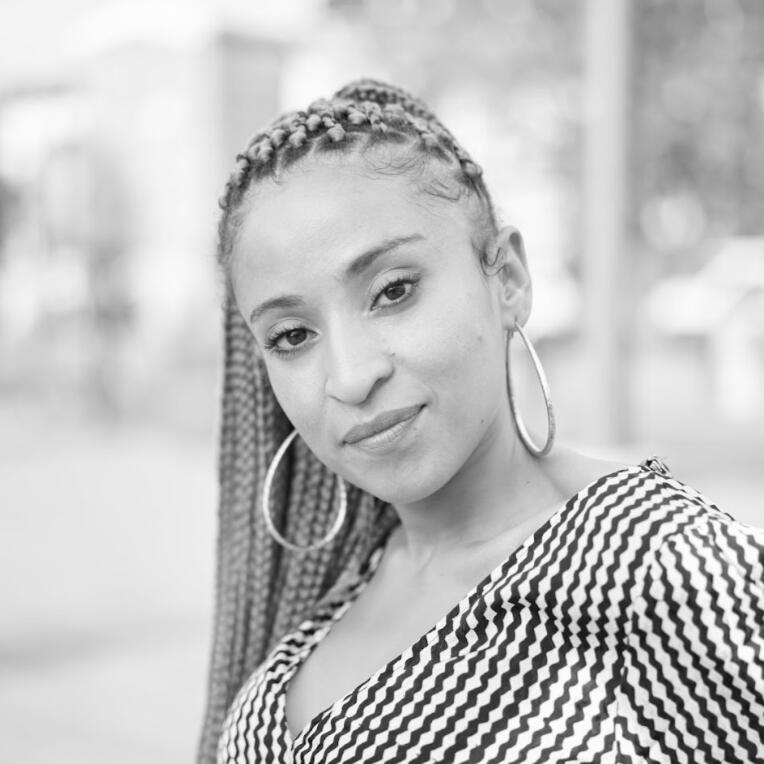
Hello i'm LouBNa
You'll find here some of my stories, my research, my obsessions, my questions — and the spaces I create to explore them.I grew up between Moroccan, Sahrawi, Somali and Yemeni lineages, in a family where music, art and oral transmission were part of everyday life. On my mother’s side, I carry a Gnawa heritage rooted in healing, trance, dance and spiritual practice — a tradition where rhythm, repetition, music and collective vibration can create states of connection, transformation and heightened awareness.This lineage deeply informs the way I understand movement. It has taught me to approach dance not only as something to perform, but as something to experience: a way of listening to the body, accessing memory, shifting states and connecting to others.My practice sits at the intersection of dance, storytelling, cultural memory and social observation. I am interested in what happens when we move beyond representation and performance, and begin to consider movement as a practice, a language and a space of research.At 19, I moved to London to study journalism. The city expanded my curiosity towards multicultural narratives and the artistic languages of African and Afro-diasporic communities. Through friendships, encounters and dance, I immersed myself in Nigerian, Ghanaian, South African, Jamaican and other diasporic cultures. It was there that my relationship to Afro-urban dance deepened, alongside my exploration of Afrobeats, Amapiano, Hip-Hop, House and freestyle practices.Journalism gave me tools to observe, question and connect stories. Dance gave me another way of reading the world: through rhythm, bodies, relationships and collective dynamics. When I returned to Geneva, where I grew up, these two approaches naturally came together through teaching, artistic projects, cultural programming and the creation of spaces for collective practice.Today, this research is taking shape through HAL — dance beyond performance.HAL — حال — refers to a state, a condition, an inner disposition. For me, it describes the moment when dance becomes more than a sequence of movements or an act of performance: when it becomes a way of entering a state, listening, connecting, letting go and being present.HAL is both an artistic research and a space-making project. In Geneva, I am developing HAL spaces through workshops, sessions and encounters that invite people to reclaim their relationship to artistic practice — beyond performance, comparison and the pressure to be good, impressive or finished.These spaces draw from Hip-Hop and freestyle cultures, House, contemporary African and Afro-diasporic dance practices, as well as the principles of the cypher: the circle as a space of exchange, observation, participation and collective energy.At the same time, I am developing a choreographic piece through a residency at the Auditorium de Seynod, where I will deepen my research into the relationship between dance and trance.The piece explores trance not as something distant or exotic, but as a state that can emerge through rhythm, repetition, musicality, breath, physical exhaustion, collective presence and attention. I am interested in what happens when movement becomes immersive enough to alter our relationship to time, the body and the people around us.The research draws from the cyclical structures of Gnawa practice — particularly rhythm, repetition, the circle and the progression towards altered states — while placing them in dialogue with contemporary dance and Afro-diasporic movement cultures.Rather than reproducing a ritual, I am interested in translating some of its underlying principles into a contemporary choreographic language.HAL therefore exists on several levels: as a choreographic research, as a space for collective practice, and as an ongoing question.How can we dance without constantly performing?How can we create spaces where people feel free to explore rather than reproduce?What happens when the body becomes a place of memory, transmission and transformation?And how can ancestral understandings of rhythm, trance and collective movement inform contemporary ways of being together?Through HAL, I am exploring these questions both on stage and outside of it — through choreography, workshops, cyphers, music, research and encounters.My aim is to create spaces where dance can be practiced as something lived rather than simply displayed: spaces to learn, explore, connect, let go and move — together.


ATELIER DECOUVERTE : Danse Azonto du Ghana X Festival GrooveNMoove x Musée d'ethnographie de Genève
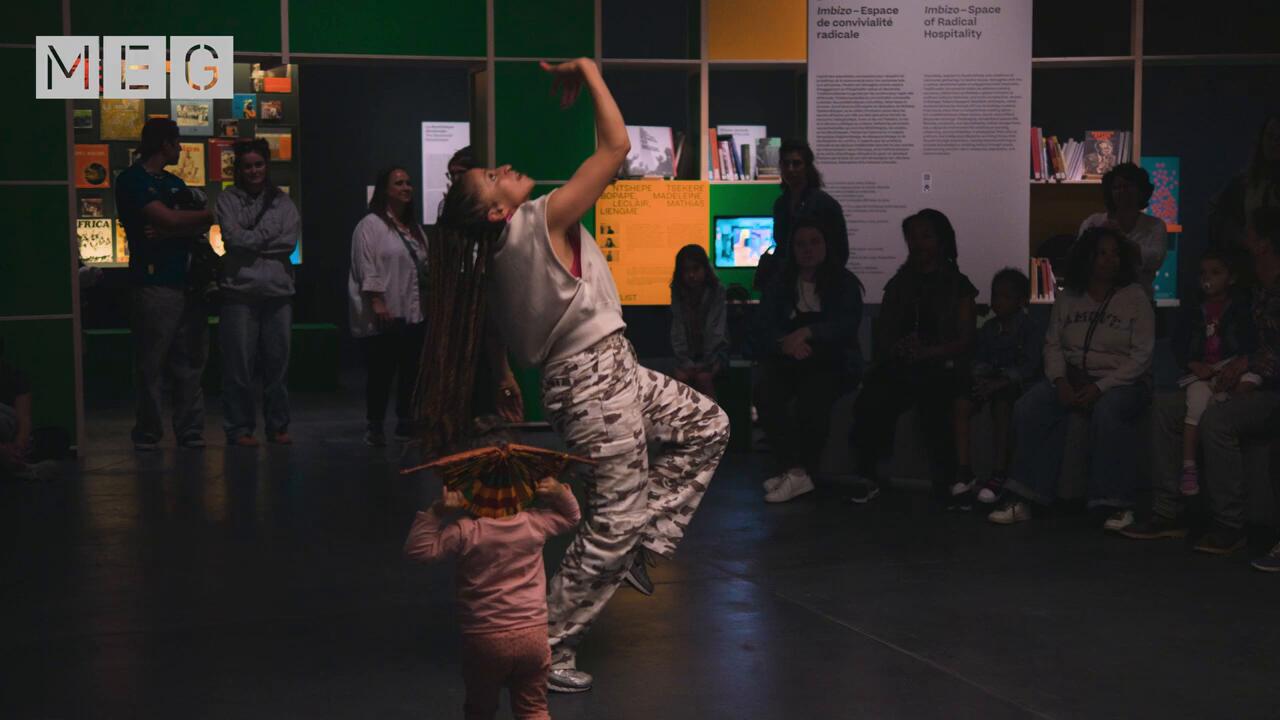
credit photo : cedric sintes

FINAL de ma performance à la nuit des musée - musée d'ethnographie de Genève- Reconnaissez vous ce son ? Une initiation au cercle de danse participatif qui explore les sonorités, Hip-Hop, House, Gnawa, Amapiano,Afrobeats et Reggae - Exposition AFROSONICA
credit VIDEO : leah Semoroz

IAMSHOW - résidence artistique Genève Undertown - Portrait & Danse
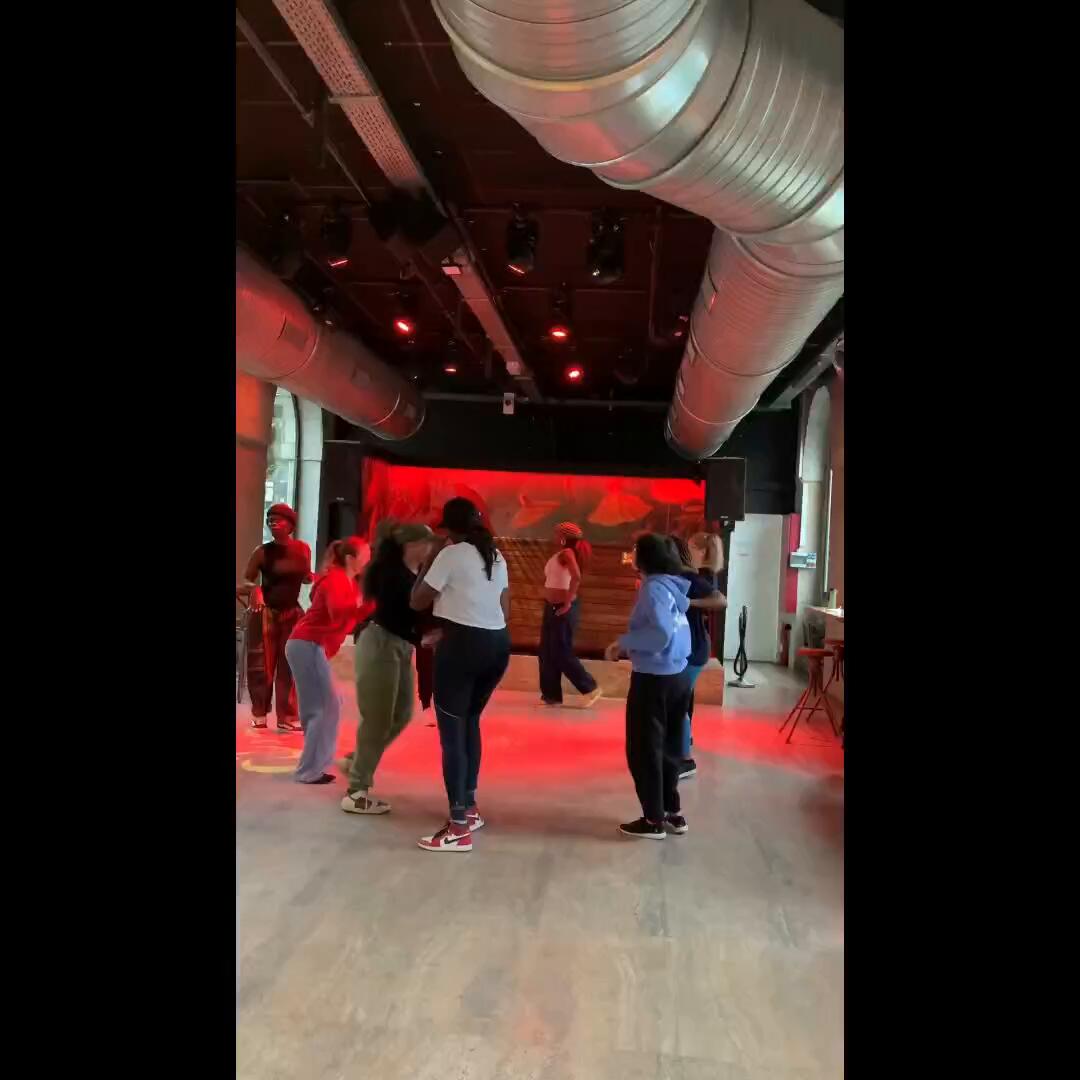
Feminine creativityIn these spaces i work to create connexion, encourage exploration and look out for participants to feel safe, free and a little dramatic and silly.
Here we explored some amapiano grooves and pantsula basic steps on Gqom, Deep house, Kwaito and Amapiano Music. South african electronic music.

Improvised talk with Eflex, Dancer from Ghana, international teacher and educator of Azonto dance - in Geneva

Conversation enrichissante avec l'artiste bruxellois - SCYLLA - à Lausanne

Echange passionnant avec Koma & Mokless de la scred connexion. - à Bienne
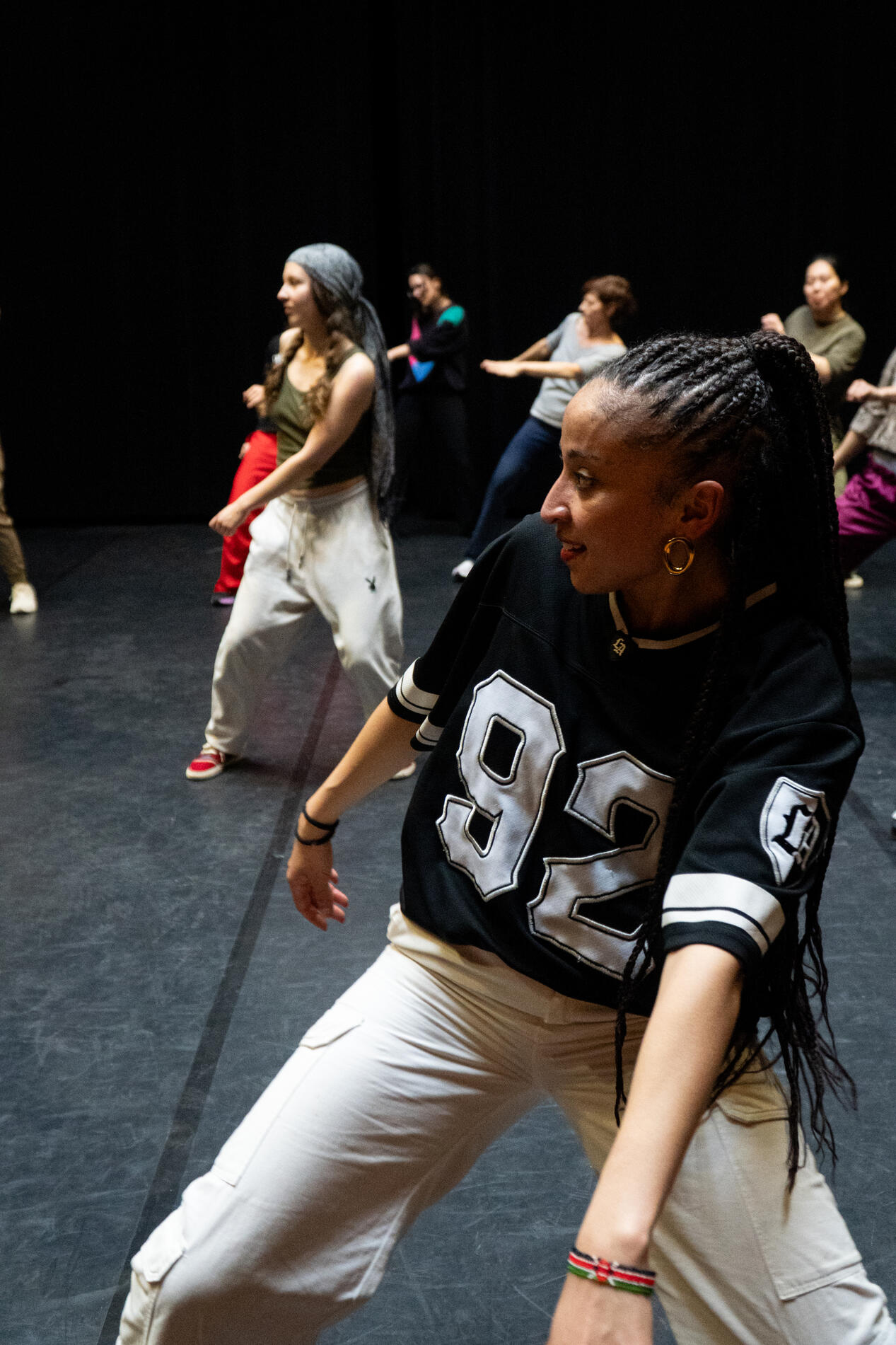
Atelier découverte danse d'Afrique du Sud - Amapiano à l'Université de Genève.
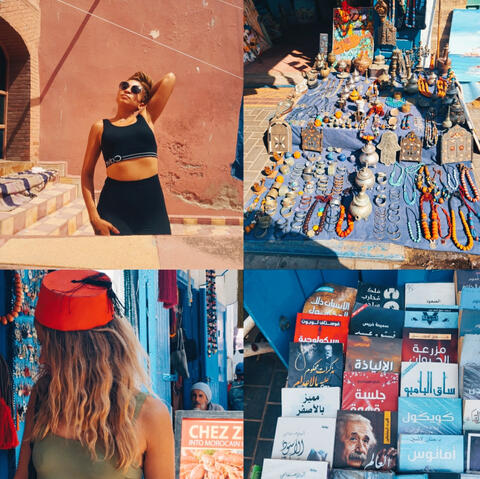
Some references on the Gnawa tradition, trance practice, and dance as a healing tool, for the body and soul.
- le film “Les 7 couleurs de l’Univers” - Jacques Willemont, réalisateur.
- Le monde des Gnawa - Viviana paques.
- Boddhi Satva recordings - Gnawa " Healing rituals" Album.
- L'appel de la Transe - Catherine clément
- Essaouira Gnawa & World music festival
- Gnawa Diffusion ( Playlist)
- Integrating traditional healing practices into counseling and psychotherapy - Roy Moodley & William West